Woks occupy a distinct space in the kitchen. They’re not simply pans; they’re vessels for excessive-warmth drama, smoky aromas, and brief, transformative cooking. If you’ve stood in the front of a stovetop, agonizing among the heft of solid iron and the lighter touch of carbon metallic, you know this shouldn't be a trivial resolution. The subject matter you opt for shapes your stir-fries and your muscle reminiscence. Let’s discover how weight information the stability among cast iron and carbon steel woks—and why that concerns greater than so much become aware of.
The Feel in Your Hands
When you first select up a wok, it’s now not the sleek advertising replica or elegant curves that make an affect—it’s the burden. A favourite 14-inch forged iron wok can tip the scales at eight to 12 kilos earlier you even add oil or vegetables. By assessment, a related-sized carbon steel wok typically weighs among 2 and 4 pounds.
This distinction is immediately whenever you are attempting tossing delicacies over top heat. Even seasoned cooks with sturdy wrists will to find non-stop tossing—and peculiarly unmarried-passed stir-frying—basic with carbon metallic. Cast iron demands greater strength, %%!%%c9a36ba8-a thousand-4064-84d6-2077b3f90b59%%!%% requiring two arms for secure maneuvering. For a few domicile cooks, chiefly people with smaller palms or much less top physique energy, this big difference alone makes the selection visible.
Heat: Retention vs Responsiveness
Weight isn’t basically managing; it quickly affects how a wok behaves lower than fire.
Cast iron excels at holding onto warm. Once scorching, it remains warm. That’s why seared steaks increase such most suitable crusts on solid iron skillets—the same principle applies to woks. In apply, which means that a solid iron wok can potential thru chilly constituents without shedding temperature too quick. However, it additionally method slower preheating (predict a few minutes for the wok to come up to temperature) and gradual cooling if you happen to overshoot.
Carbon metallic is nimble with the aid of assessment. It heats swiftly and cools well-nigh as quickly whilst eliminated from the burner or exposed to bloodless sauces. This responsiveness offers educated chefs tight keep an eye on over browning, stir-frying, or immediately stopping cooking after including mushy elements like scallions or eggs.
In my personal kitchen, I attain for carbon metal when I choose to go quick—feel flash-cooked vegetables or scrambled eggs with scallion oil—at the same time as I delight in forged iron for sluggish-braised Chinese red-cooked beef or dishes where residual heat helps conclude off thicker cuts.
Stir-Fry Technique: Tossing and Turning
The basic Cantonese manner consists of lifting and shaking the wok with one hand at the same time shoveling meals with a spatula inside the different. Carbon metallic’s lightness makes this motion you possibly can for expanded durations with no fatigue.
If you've ever watched a pro chef at a Chinese restaurant, their woks are in many instances effectively-worn carbon metallic models. These cooks toss foodstuff repeatedly, creating “wok hei”—that elusive smoky style prized in Chinese cooking—by way of exposing components to excessive warmness and open flame for just seconds at a time.
Try this for your self: elevate both kinds of woks whilst empty, then repeat while loaded with 1/2 a pound of white meat and chopped greens. Cast iron right now sounds like a exercising; carbon metallic seems like an extension of your arm.
For homestead cooks with gasoline burners that don’t rival eating place BTUs, this agility things even extra. You’ll place confidence in quick motion to stay away from sticking and determine even searing.
Seasoning: Building—and Keeping—a Nonstick Surface
Both resources develop nonstick characteristics due to seasoning—a process of polymerizing oil on their surfaces—yet their weight alterations how seasoning behaves day by day.
A heavy forged iron wok with thick walls keeps hot spots longer, so seasoning layers have a tendency to accumulate thicker and in some cases patchier if no longer cared for cautiously. It’s a whole lot more difficult to do away with cussed buildup on forged iron without difficulty considering the fact that scrubbing any such heavy pan is awkward, noticeably with two arms required to deal with the load.
Carbon metallic’s thinner walls mean seasoning layers are commonly thinner but greater uniform when you take time to swirl oil calmly all the way through preliminary seasoning. Maintenance could also be less taxing physically. If seasoning flakes or gets sticky, scrubbing down a light-weight pan is swift paintings.
Over years of use, I’ve determined my carbon metal woks expand a smoother patina with less elbow grease required for preservation compared to their heavier cousins.
Durability: Taking Abuse in Stride
The attractiveness of solid iron for toughness is legendary: drop one on tile, and you possibility cracking your ground in the past adverse the pan. However, its very weight might be a legal responsibility if it slips out of your hold or collides with yet another pot.
Carbon steel woks are more forgiving if dropped—dents are imaginable but cracks are infrequent. Their lighter construct additionally makes them less possible to chip countertops or ft if an twist of fate takes place. In eating place settings in which speed is paramount, this has real looking effects: a prepare dinner who desires to switch woks quickly gained’t threat damage or crisis with carbon metallic.
Over time, each pans can final decades with exact care. The purely caveat: carbon metal can warp if left empty on prime warmth too long, while solid iron can crack from sudden thermal shock (like rinsing a warm pan underneath bloodless water).
Cooking Styles: Matching Material to Dish
Not each recipe merits both from either cloth. Here’s in which adventure comes into play.
Certain Southern Chinese dishes—like dry-fried efficient beans or fast-seared beef—are most sensible finished with a light-weight carbon metallic wok that responds all of a sudden to warm variations. You want rapid evaporation, fierce sizzle, and minimal sticking.
Dishes that desire regular, slight warm—suppose simmered tofu with black bean sauce or Mapo Doufu—can profit from forged iron’s resilience in opposition t temperature drops whilst bloodless sauces are delivered.
I as soon as attempted smoking tea leaves in each varieties of woks for tea-smoked duck: The forged iron kept smoke billowing longer yet used to be harder to easy afterward since tar outfitted up alongside heavy hot spots; carbon metallic lost warm faster but became more convenient to wipe clear whilst nevertheless hot.
Stove Compatibility: Gas, Electric, Induction
The sheer mass of solid iron is helping it take a seat firmly on flat electrical cooktops yet may also be unwieldy on smaller fuel burners where maneuverability matters such a lot. On induction stoves, either constituents work in the event that they have flat bottoms; some normal circular-bottomed woks may possibly wobble or no longer make full contact unless paired with an induction-compatible ring.
If you movement %%!%%c9a36ba8-one thousand-4064-84d6-2077b3f90b59%%!%% or cook dinner outdoors over open flames (I’ve hauled my carbon metal wok to outdoor barbecues more instances than I can count number), portability favors carbon metallic whenever.
Price Points: Does Weight Cost More?
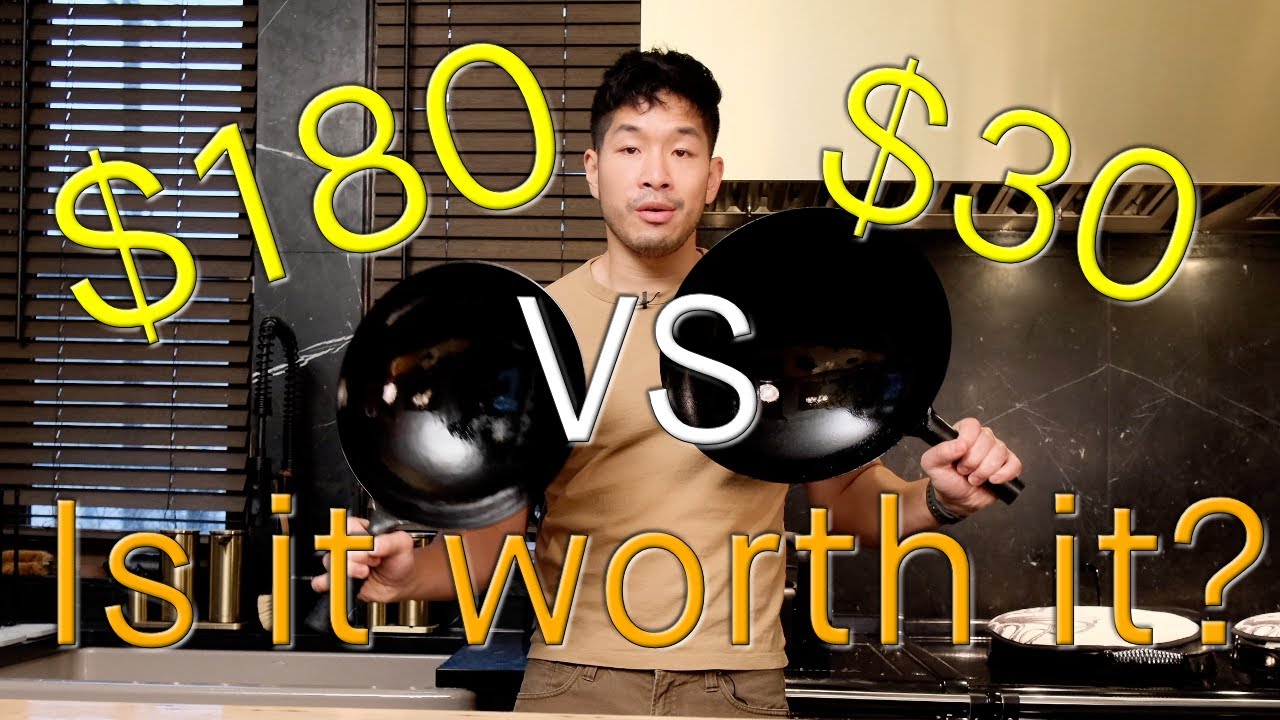
A high-quality forged iron cast iron wok vs carbon steel wok %%!%%c9a36ba8-one thousand-4064-84d6-2077b3f90b59%%!%% quotes quite more than a related carbon metal variation, partially brought on by raw drapery quotes and transport heavier merchandise. Expect entry-degree charges around $30 for straightforward carbon metal woks, climbing to $eighty or greater for premium brands like Joyce Chen or hand-hammered types from China. Cast iron woks greatly delivery around $forty and reach $a hundred and twenty or larger for enameled or artisan-made pieces.
However, expense transformations without delay fade whilst measured in opposition to years—in some cases a long time—of use. Many domestic cooks inherit woks from fogeys or grandparents; my family’s battered carbon metal pan has outlasted close to every nonstick skillet we ever owned.
Cleaning Up: After Dinner Realities
No matter how flawlessly nonstick your wok will become, cleanup is inevitable. Here’s in which weight once again makes itself general.
After an extended nighttime cooking for peers, even potent fingers tire of hoisting a heavy forged iron pan to rinse beneath the tap. Scrubbing sticky sauces out of crevices even as balancing such bulk over a sink area will likely be awkward at best—and downright dangerous if rainy hands lose their grip.
A carbon metal wok rinses sparkling with little attempt, requiring simply hot water and perchance a tender sponge if bits stick. Its lightness method less strain on wrists and no worry of dropping it mid-cleanup.
For all of us with restricted house or mobility worries, these distinctions subject every day.
Edge Cases: When Cast Iron Wins
While lots of contemporary counsel leans toward carbon steel for established stir-frying, there are moments whilst solid iron shines accurately with the aid of its heft:
- Deep-frying: The mass stabilizes oil temperature after including bloodless foods. Tabletop warm pot: Retains warm temperature longer off direct warmness. Bread baking: Some use vast forged iron woks inverted as dome-fashioned baking cloches. Outdoor fireplace pits: Stands up to direct coals better than thinner pans. Smoked dishes: Maintains low-and-gradual temperatures for prolonged classes.
In these situations, what feels burdensome during speedy-paced cooking turns into an asset throughout slow tactics.
Comparing Cast Iron Wok vs Carbon Steel: Quick Reference Table
| Factor | Cast Iron Wok | Carbon Steel Wok | |-------------------|------------------------------|---------------------------| | Weight | Heavy (eight-12 lbs) | Light (2-four lbs) | | Heat Retention | Excellent | Moderate | | Heat Responsiveness| Slow | Fast | | Seasoning | Builds thickly | Builds uniformly | | Handling | Two fingers %%!%%c9a36ba8-1000-4064-84d6-2077b3f90b59%%!%% mandatory | One hand cushty | | Durability | Chip/crack hazard from surprise | Can warp but rarely cracks| | Price | Moderate to high | Affordable to slight | | Cleanup | More attempt | Easy | | Best for | Deep-frying, sluggish braises | Stir-frying, short sears |
Tips for Making Your Choice
Choosing among solid iron and carbon metallic comes right down to fair mirrored image on your cooking habits, actual comfort, and kitchen setup. Here are 5 questions worthy inquisitive about:
How %%!%%c9a36ba8-one thousand-4064-84d6-2077b3f90b59%%!%% do you intend to toss or stir-fry vigorously? Do you may have top physique power issues or wrist anguish? Is your prevalent range fuel, electric powered, or induction? Do you prepare dinner dishes requiring lengthy, steady warm retention? How a whole lot effort are you inclined to spend on preservation?Answering those questions genuinely will booklet such a lot chefs toward their splendid pan with out regret.
Voices From Real Kitchens
In New York’s Chinatown restaurant kitchens, battered carbon metallic woks dominate for natural velocity and keep an eye on. In my kinfolk’s homestead kitchen, an historical cast iron wok holds delight of situation for Sunday scorching pots—a nod to our roots in northern China, where shared meals linger and heat lingers longer nonetheless.
One family member with arthritis in her arms reluctantly gave up her grandmother’s cast iron pan for a brand new carbon steel model after one too many spills—she now stirs conveniently and says she chefs extra %%!%%c9a36ba8-one thousand-4064-84d6-2077b3f90b59%%!%% as a effect. Another chef I comprehend swears with the aid of his vintage cast iron wok for Sichuan dry-braised dishes since it “just feels accurate” after a long time of use.
These testimonies underscore what concerns such a lot: your pan should suit your lifestyles, no longer simply your recipes.
Final Thoughts: Weight as More Than a Number
The possibility among forged iron and carbon metal woks runs deeper than fabric science or culinary way of life. Weight impacts every moment from prep to cleanup—not handiest how good nutrition cooks yet additionally how %%!%%c9a36ba8-one thousand-4064-84d6-2077b3f90b59%%!%% you reach for the pan in the first vicinity.
If you'll, address both forms in user beforehand procuring. Trust your instincts approximately what feels excellent on your hands and suits your routines. There is not any favourite winner—in simple terms what works preferrred for you, nighttime after night, as dishes sizzle and smoke rises from your personal stove.